Avoided impact measurement
Calculate how buying secondhand can potentially avoid emissions (CO2e) and water use, defer waste, and influence other impact areas, compared to buying new.
Aito supports secondhand businesses in quantifying and communicating their positive impact.
“I worked with Jonne and Clément on an avoided emissions calculation and reporting project for Vend. I can recommend collaborating with the team.
The communication was fast; the results were presented in a clear, intuitive, and detailed format; and we received useful insights about the main takeaways.”
 Jenni Tuomisto
Director, Business Transformation at Vend
Jenni Tuomisto
Director, Business Transformation at Vend
Services
Calculate how buying secondhand can potentially avoid emissions (CO2e) and water use, defer waste, and influence other impact areas, compared to buying new.
Gain detailed insights about your secondhand business impact, including net avoided impact, impact per product category, displacement rate insights, and more.
Learn more about your user behaviour, such as displacement rates, alternative waste disposal pathways, and logistics choices.
Access publication ready avoided impact reports, and receive advice on impactful communication methods.
How we work
Aito and the client agree on the deliverables. Which secondhand activities are analysed? Which impact indicators are relevant? How wide is the user research?
The client shares the data they have available, such as the product categories, transaction volumes, and operations emissions. Where data gaps exist, Aito suggests solutions.
The most reliable way to gather certain inputs is to survey the people using the service. Aito builds the survey, manages the translations, and analyses the results. The client only distributes it.
Aito computes the results using the client data, the survey responses, and Aito's impact modelling system. An extensive library of representative products is applied.
The client receives the agreed deliverables. Aito walks the client through the findings, answers follow-up questions, and provides advice.
Methodology
Aito quantifies avoided emissions for secondhand models using the consequential approach set out in the World Business Council for Sustainable Development (WBCSD) Guidance on Avoided Emissions v2.0 and the World Resources Institute (WRI) guidance on Estimating and reporting the comparative emissions impacts of products. The same approach extends to avoided water use, deferred waste, and other impact indicators.
Our research compares two scenarios. In the reference scenario, the secondhand offering does not exist and users buy new items instead. In the solution scenario, the secondhand offering exists and a proportion of users purchase secondhand. The difference between the two is weighted by a displacement rate, which captures how often a secondhand purchase genuinely replaces the purchase of a new item, following the methodology developed by the Waste and Resources Action Programme (WRAP). The impact generated by operating the platform, including delivery and packaging, is then subtracted.
Avoided impact is the result of comparing two scenarios, not a directly measurable quantity. No emissions are actively removed. We are transparent about the potential rebound effects of secondhand business models, and we state which rebound effects our research quantifies and which it does not.
About
The Aito team built Vaayu's avoided emissions activities and brings deep expertise in calculating avoided impact for secondhand businesses. Vaayu measured avoided emissions for industry-leading platforms such as Adevinta, Vend, and Carousell. Following Vaayu's sale, the team continues this work under Aito.
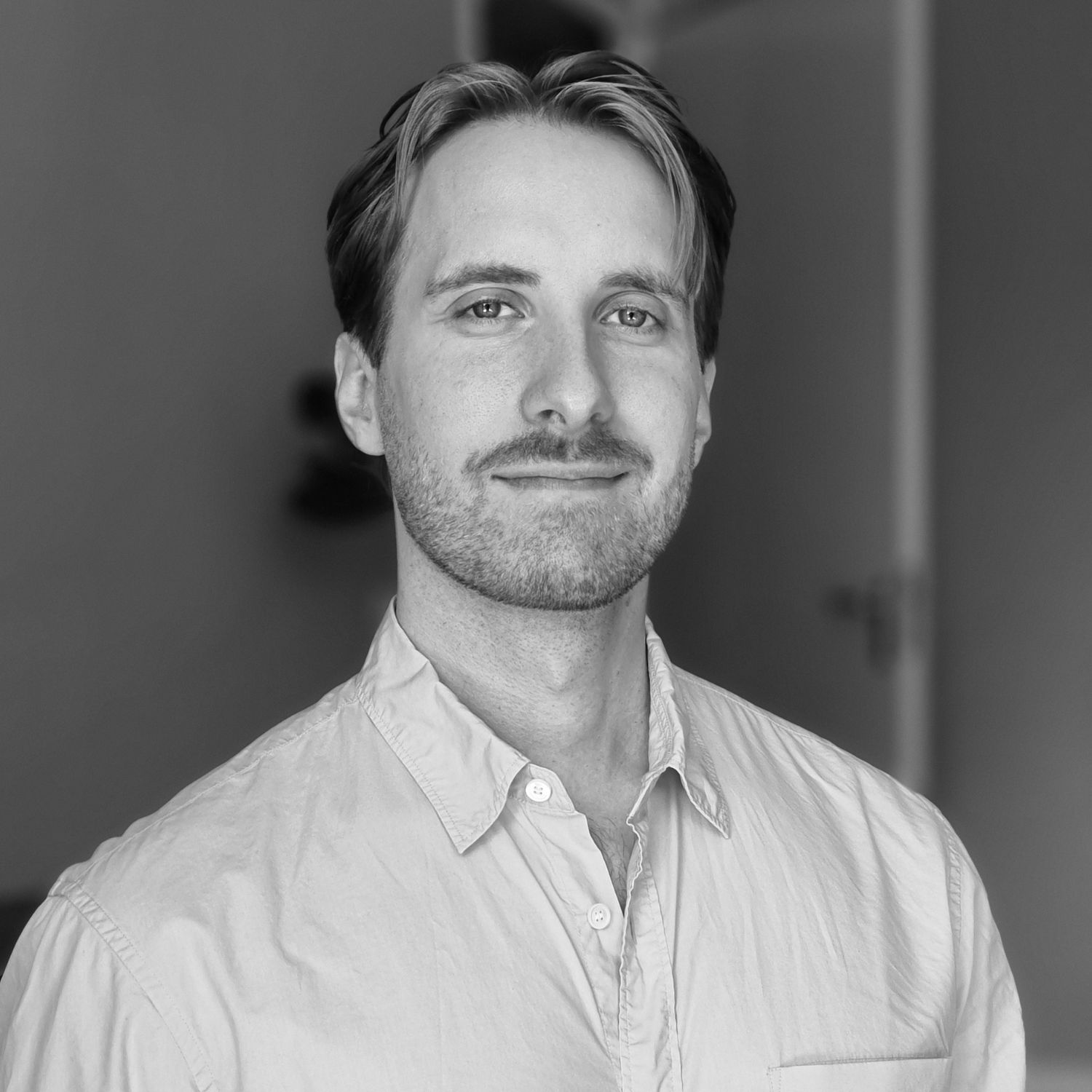
Responsible for partnerships, project management, and service improvement. Previously led business development at Vaayu, driving client growth and delivery for avoided emissions initiatives.

Responsible for data, technology, and methodology. Former Head of Engineering at Vaayu, where he directed development for avoided emissions calculations and analytics.

Founder and CEO of Vaayu, and previously the Head of Sustainability at Zalando.
The name
A Finnish word for authentic, real, or genuine. It expresses three commitments that define our company.
We set a high bar for scientific rigour in our approach. We are committed to using the most up to date, rigorous, and credible methodology feasible for our calculations, and to improving it as the science evolves.
Aito guides us in how we work: with authenticity, transparency, and honesty toward our clients, our partners, and each other.
Avoided emissions are the result of a hypothetical scenario. However, the impact of the circular economy is genuine: materials kept in use, resources conserved, and hopefully emissions avoided when compared to the linear economy.
FAQ
Avoided emissions are the difference in emissions between a scenario in which a solution exists and a reference scenario in which it does not. For secondhand business models, the comparison is between a scenario where the secondhand offering exists and a proportion of users buy used instead of new, and a scenario where the business does not exist and consumers buy new items instead. The difference can be large or small, and the results can also show that no emissions are avoided.
The displacement rate is the proportion of secondhand purchases that replace the purchase of a new comparable item, usually derived by surveying the people who bought the items. Not every secondhand purchase displaces a new item. Some buyers could not have afforded the item new, some buy on impulse because the price is low, and some buy secondhand as a matter of principle and would not have bought new. Aito follows the displacement rate methodology developed by WRAP.
Carbon offsets are tradeable credits funding external climate projects. They can cover emissions avoidance and direct carbon removal. The one similarity is that carbon offsets based on emissions avoidance and avoided emissions both rely on a comparative calculation. Avoided emissions represent the potential positive impact of your products or services, compared to a reference scenario. They cannot be bought, sold, or retired like offsets.
No. Avoided emissions are the result of comparing the current situation and a theoretical reference scenario. They do not represent direct emissions reductions in the actual business model. Standard carbon accounting frameworks keep avoided emissions separate from your official greenhouse gas inventory.
Yes, when reported separately from your greenhouse gas inventory. Avoided impact is usually published in its own section of a sustainability report, or in a standalone impact report. Avoided emissions should not be added to your inventory or subtracted from your footprint. The specific rules depend on your reporting framework and jurisdiction.
A rebound effect is a reduction in the expected emissions savings from a solution, caused by the behaviour the solution itself encourages. In secondhand business models, rebound effects can include increased total consumption due to the affordability of secondhand items.
We prioritise primary data from your business, secondhand users, and logistics partners. Where primary data is unavailable, we apply assumptions that are conservative in the direction of lower avoided impact. The displacement rate carries a lot of uncertainty, which is why we derive it from your users rather than from published averages. We state which rebound effects our research quantifies and which it does not, because isolating every one of them is not feasible. We are transparent about all assumptions, data gaps, and methodology boundaries.
No. Aito is an independent calculation partner quantifying the avoided emissions and other impacts of your secondhand business. Third-party assurance has to come from a provider independent of the party that produced the figures. Our calculations and assumptions are transparent, and we are happy to collaborate with your external auditor if you need your results formally assured.
Tell us about your secondhand activity and the results you need. We will come back with a scope, a timeline, and a price.
Get in touch contact@aito.scienceWe use Google Analytics to see how this site is used. It stays off until you accept. See our Privacy Notice.